Jáchym Topol's Novel: Lies of Life and Fears of War
A night in Prague. Tomáš, a journalist and author in his sixties, wanders through Malá Strana below the castle. He carries the weight of personal tragedies, their impact softened only by the alcohol he regularly consumes. Seeking another drink, he enters the pub “The Duke of Burgundy,” where the hunchbacked waiter, clad in chainmail, insults him with a torrent of medieval-sounding abuse. This is part of the pub’s pseudomedieval theme. Tomáš plays along: “Were we in the Middle Ages, I would have run you through with my dagger for that prattle, dear sir,” he replies. The waiter admits he dislikes the way guests are addressed but says it’s essential to the pub’s atmosphere. He reveals he’s actually a medieval studies lecturer, earning far more here than at the university. As Tomáš leaves, he’s offered a job: “We need a stable hand,” the scholar says, “you’ve got the muscles, and you can certainly shout.”
This scene in Jáchym Topol’s novel “Hell Does Not Exist” spans only a few pages. It's an episode on a long journey that ultimately leads to the journalist's world collapsing. The scene captures not only Tomáš’s immediate predicament but also reflects the uncertainty of his generation and his country, even after years of apparent stability.
The novel begins with a jolt. The opening chapters are set on the morning of February 24, 2022. Tomáš, occupying a room in his wife Fiona’s inherited family apartment in Prague’s upscale Vinohrady district, stumbles through the city hungover. He contemplates his crumbling marriage, his son’s plan to start a gardening business with his Belarusian partner, and his much younger girlfriend Tamara, from whom he intends to separate, just as he does from his wife. En route, he learns of Russia’s invasion of Ukraine.
Communism? Not so Bad After All
This sets a tone that resonates throughout the novel. The question of how to react to the events in Ukraine preoccupies everyone, from private conversations to public political discourse. It evokes old memories of the 1968 invasion of Czechoslovakia by Soviet troops and their allies, and the largely non-violent resistance that followed, in stark contrast to Ukraine’s fierce defense. Was there ever a real possibility for a similar stance in Czechoslovakia? Or could the past reaction serve as an example to spare the population suffering?
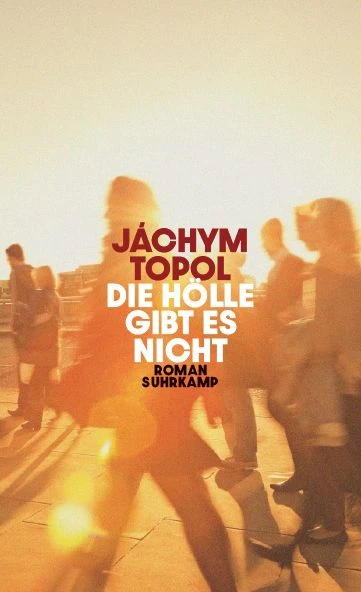
Tomáš, who writes for the respected magazine “Point” in Prague, repeatedly encounters Czechs advocating for staying out of the conflict, urging against provoking Russia by supporting Ukraine. When he travels to the small town of Lešany for his father’s funeral, he’s struck by Verunka, his late father’s longtime confidante. She recounts the story of a cleaning woman who lost her job at the local school for flying the Soviet flag. Verunka suggests that life under socialism “wasn’t so bad” back then. While she personally is better off now, working at the school instead of in a cow shed, she notes that others are worse off today.
It’s About Freedom, You Idiot!
In Topol’s 2017 novel, “A Sensitive Person,” a similar discussion concluded with the question of what the generation released into freedom after the 1989 Velvet Revolution had actually done with it: “Nothing, you idiot, right?” In the new novel, however, the external threat has emerged. The feeling that freedom might soon be lost solidifies for some, leading them to question their preparedness for a potential upheaval.
Topol, born in 1962, worked as a warehouseman and stoker in the final years of communist Czechoslovakia and primarily wrote subversive texts. He offers a counterpoint to this fatalism, more so than his protagonist Tomáš. In a grotesque scene reminiscent of his earlier works, he depicts an excursion Tomáš takes with his boss to a mysterious castle in northern Bohemia. There, they are guests of a performance artist. At a reception in the castle chapel, the artist recounts his recent experiences. He and his twin brother opened a gallery in the Russian-occupied Donetsk region, confident that nothing could happen to them, international art market stars. The gallery eventually becomes a prison where they are incarcerated and tortured. They endure a horrific time marked by coprophagia and cannibalism. From a fellow inmate called “Father Zosima,” they learn about the “Russian idea” – that salvation is only possible through suffering – and that “Russia wants all people to be happy.”
The Drunkard Finds God
The grim outcome of this pursuit of happiness is presented to Tomáš in the performance's finale. His own path is different anyway. He makes things easy for himself, evading responsibility and taking every liberty, albeit with pangs of guilt. He gradually loses everything he had neglected and disregarded for years, yet still claimed: his family home, his wife’s love, his son’s respect, his job, his mistress. The character affected by this chain of events likely realizes the inevitability of this development, which began long ago, only long after most readers do.
Topol doesn’t explicitly point out the inconsistencies in Tomáš’s perspective, which dominates the book. Instead, he repeatedly confronts Tomáš with an external world that contradicts his perceptions. His malleable morality and longing for penance and religious solace quickly become apparent. Early in the book, he seeks out a church dedicated to Ignatius of Loyola, finding comfort in the idea that this brawler and drunkard found God. In his hometown, he visits a childhood-frequented chapel. Finding it locked, he encounters a priest traveling between villages. They share a six-pack intended as a gift for a parishioner, the priest seemingly appreciating the drinking break with Tomáš.
Ultimately, it is a sacrifice that offers the utterly defeated Tomáš a semblance of redemption. The verbal humiliation in the medieval tavern, so cherished by tourists (and recalling a real Prague establishment), is not for him. Nor is the offer, extended to many intellectuals, to lend his talent and knowledge to the tourism industry as a factotum. But this doesn't stop the inevitable. In the end, the pub displaces the off-theater for which Tomáš wrote a play, absorbing its space. This is the dark punchline of the hopeless, brilliant novel.
Fresh materials — Society News
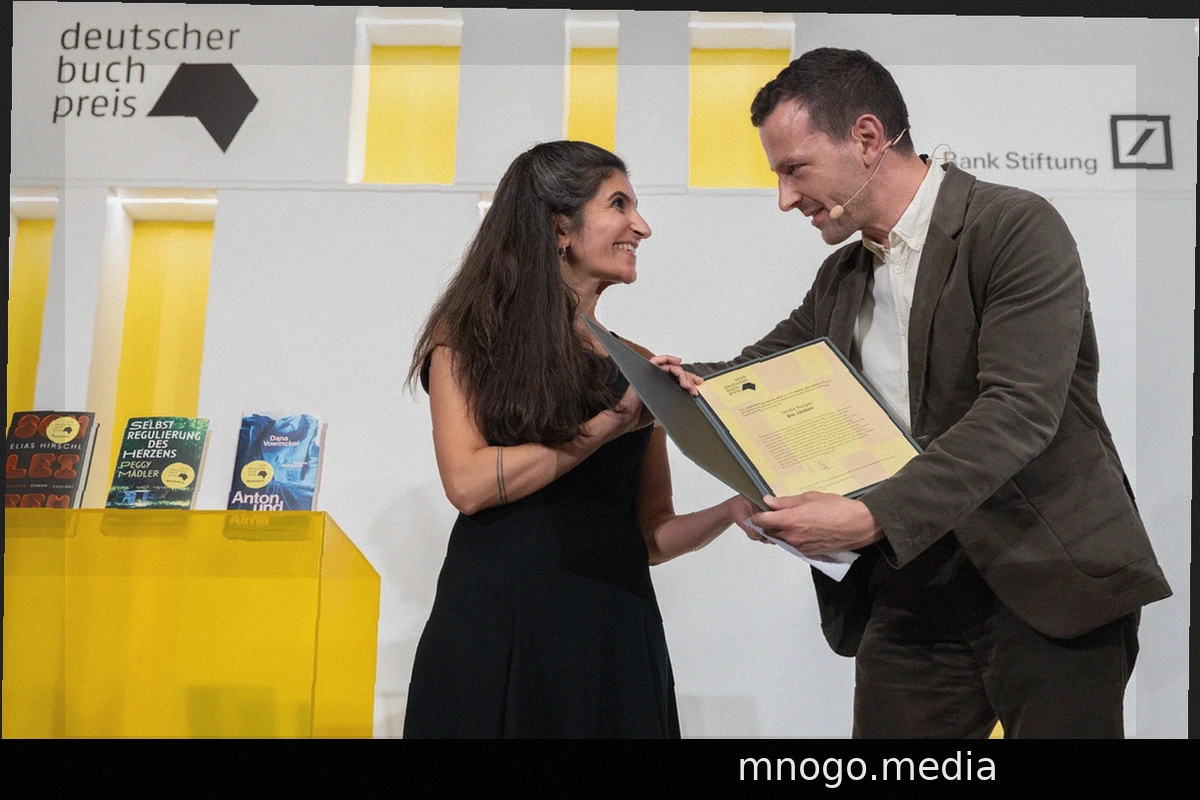
Deutscher Buchpreis: The Concept of "Heimat" Becomes Meaningless
Shida Bazyar's novel "Die Lücken" secured the Deutscher Buchpreis, a victory many anticipated. However, the laureate's acceptance speech offered a genuine surprise. The jury, represented by Maha El Hissy, described Bazyar's work as a novel that "redefines the 'Heimatroman'" (a genre focuse
"Everything is difficult: washing hands, getting dressed, eating breakfast"
Moderator Annika Lau describes the challenges her son faces due to ADHD. Simple daily tasks like washing hands, dressing, and eating breakfast become difficult. Lau shares how the condition shapes their family's routine and a surprising method she uses: gargling with water. Original Context
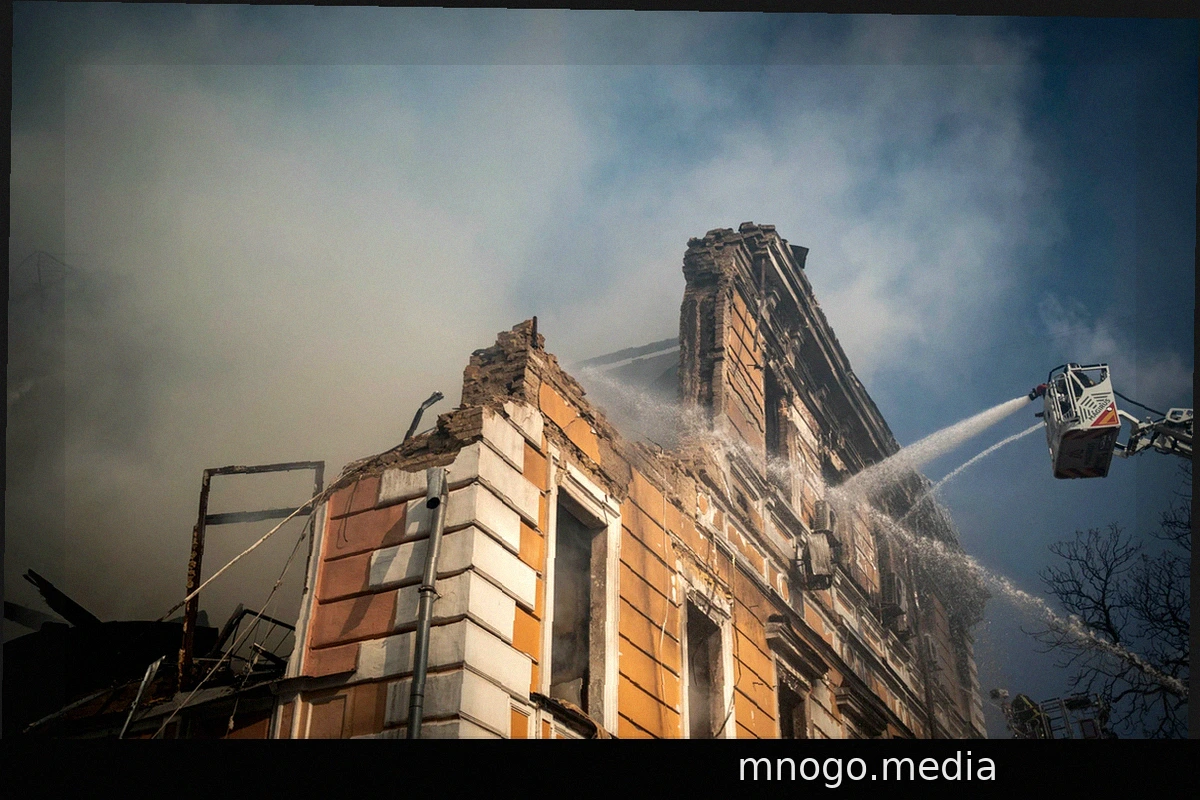
Merz's Kyiv Visit: Amidst Rubble, Merz Issues Demand to Putin
Original Title: Merz-Besuch in Kiew: Vor der Trümmerkulisse richtet Merz eine Forderung an Putin Original Teaser: Russia escalates attacks on the Ukrainian capital even during Chancellor Friedrich Merz's visit. He states: "We will persevere, and I personally will persevere." Content:
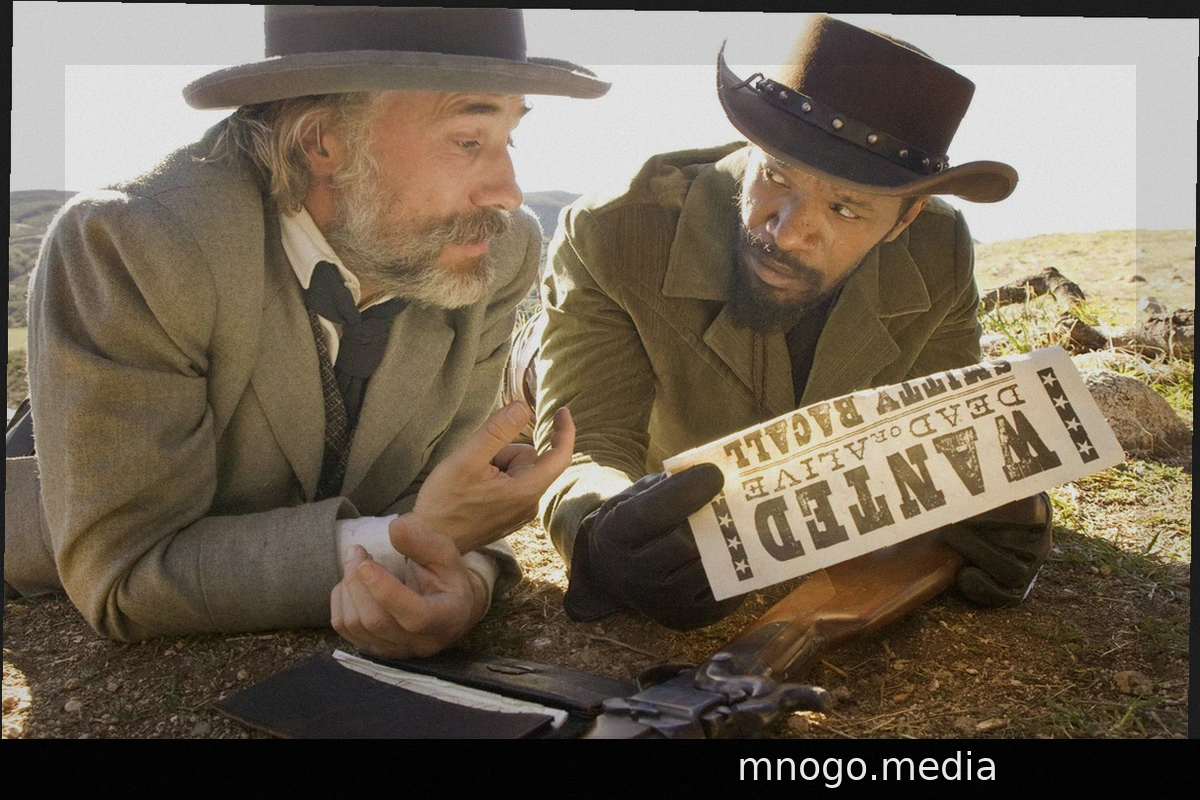
Christoph Waltz: Breakthrough After Fifty – A Global Star Today
Christoph Waltz is a global star and a two-time Oscar winner. His unpredictable presence imbues even supporting characters with immense power. He is now turning seventy. You might find yourself seated next to Christoph Waltz at a Los Angeles garden party, where he casually pours more red
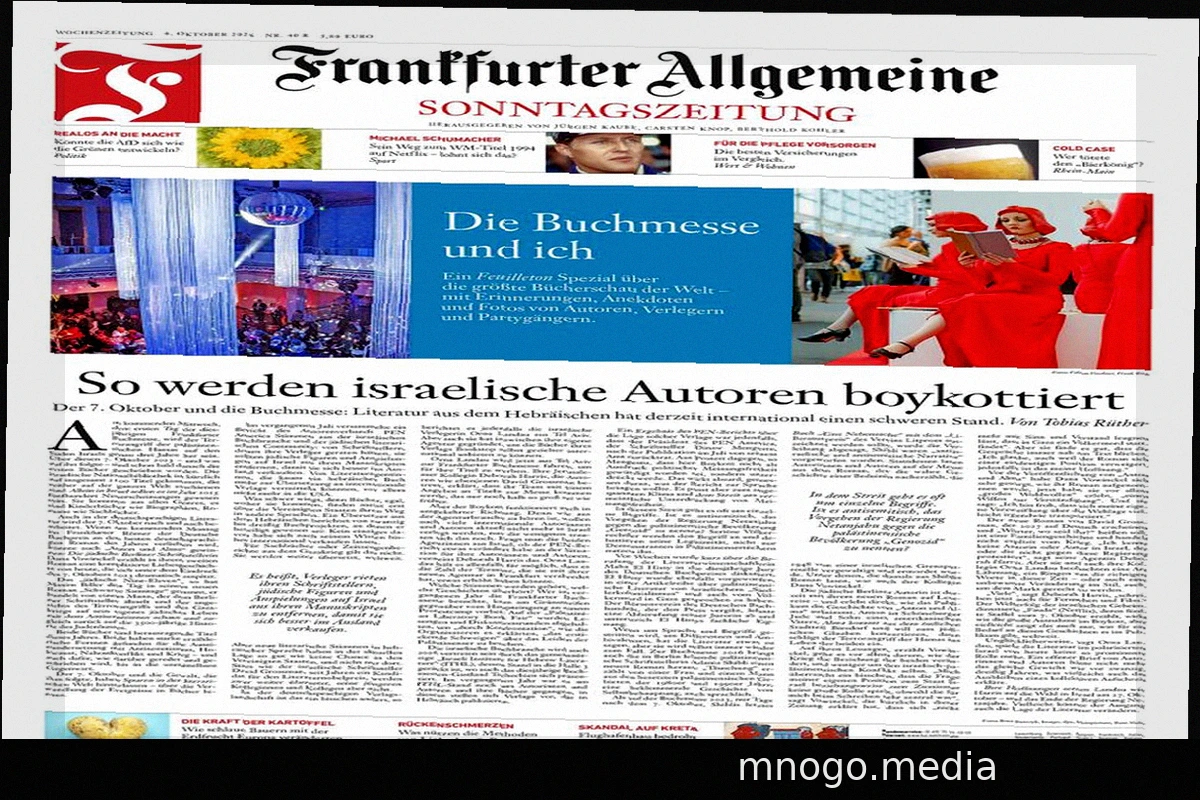
Israeli Authors Facing Boycotts at 2026 Book Fair
Three years after the Hamas attack on Israel, literature from Hebrew-speaking authors is finding it difficult to gain international traction. The Frankfurt Book Fair in 2026 falls close to the anniversary of the October 7th events, a period marked by significant literary output concerning the c
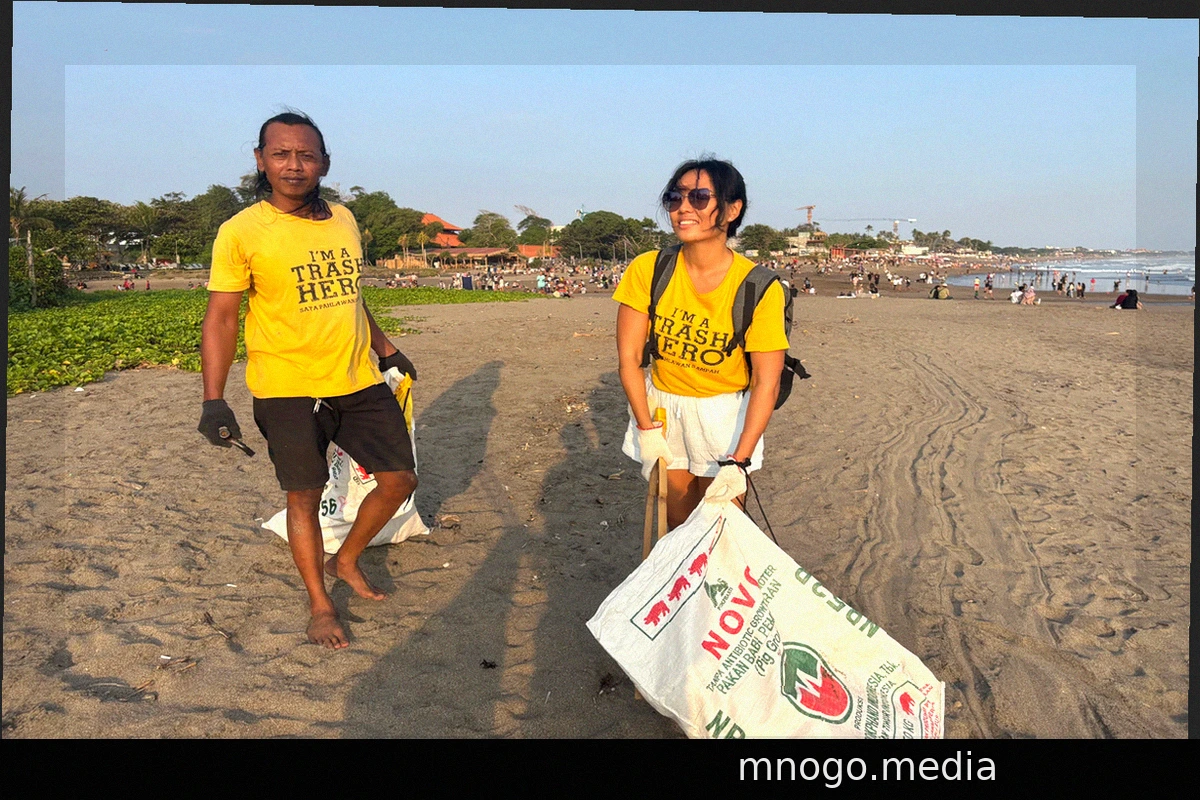
Overtourism: Construction Sites Replace Bali's Lush Green Rice Terraces
Waste, traffic jams, and endless construction: the "Island of the Gods" is grappling with the consequences of mass tourism. Opposition is mounting. At Canggu beach, a small crowd has gathered near a temple building, not for prayer, but with white and yellow bags