Deutscher Buchpreis: The Concept of "Heimat" Becomes Meaningless
Shida Bazyar's novel "Die Lücken" secured the Deutscher Buchpreis, a victory many anticipated. However, the laureate's acceptance speech offered a genuine surprise.
The jury, represented by Maha El Hissy, described Bazyar's work as a novel that "redefines the 'Heimatroman'" (a genre focused on homeland or belonging). This description could equally apply to historical, immigrant, political, or even gothic novels, highlighting the multifaceted nature of the winning title. El Hissy's choice to categorize it as a 'Heimatroman' lent a peculiar undertone to Bazyar's subsequent remarks.
The timing of El Hissy's praise for "Die Lücken," following accusations of antisemitism against her, might have been a strategic move by the jury. "Die Lücken" directly confronts antisemitism in contemporary German literature. Bazyar, born in Hermeskeil to Iranian immigrant parents, acknowledged the record-high number of antisemitic and racist offenses in Germany during her speech. Coincidentally, a pro-Israel demonstration took place near the venue, though it wasn't directly tied to El Hissy's jury membership. The protestors' focus on facts, rather than personal attacks, was commendable given the grim statistics.
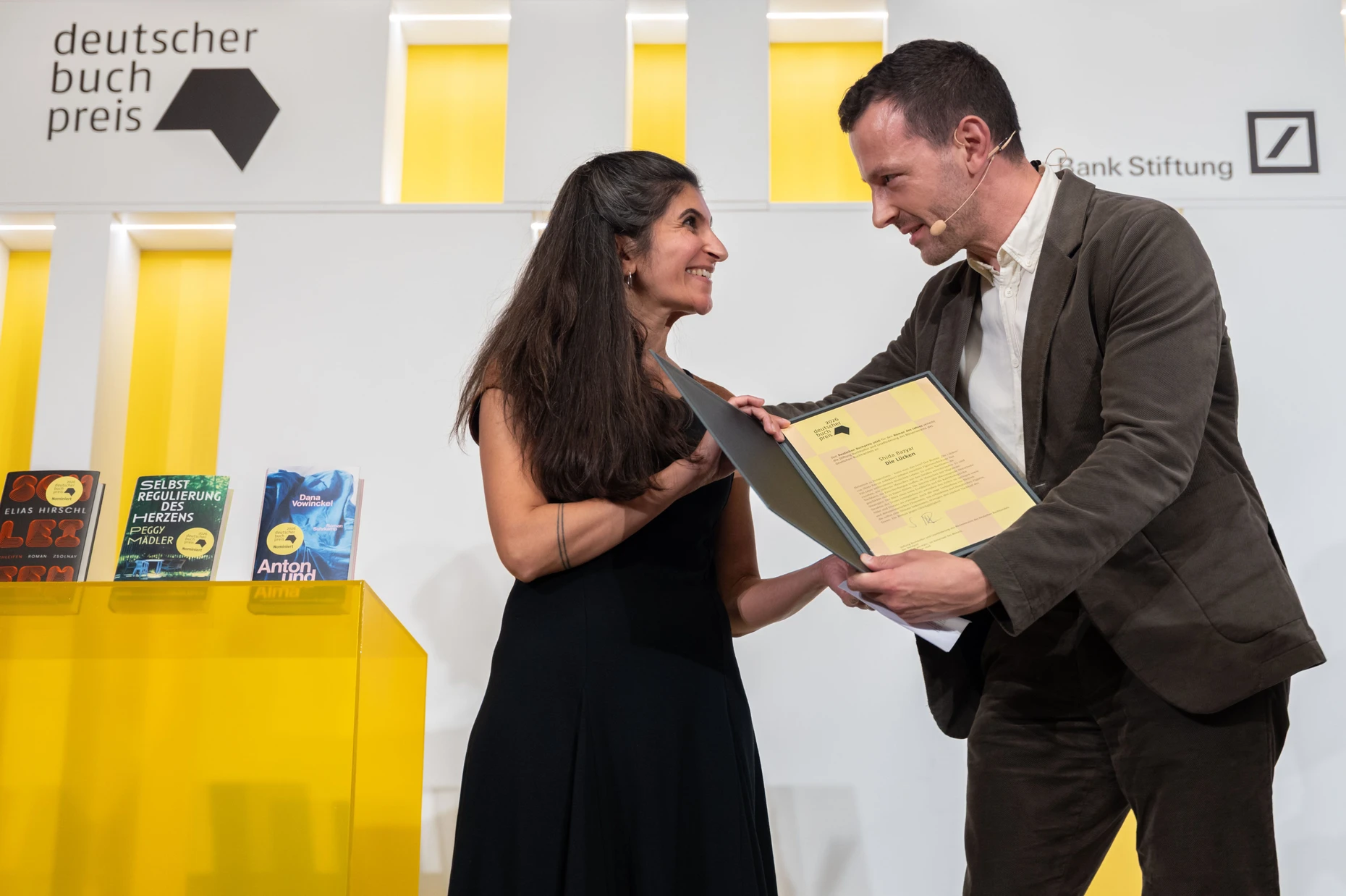
Inside the Kaisersaal, the literary community reaffirmed its unity and values, particularly concerning the "good book." The Deutscher Buchpreis aims to identify the best novel of the year. With minimal suspense this year, speakers emphasized the jury's excellent selection of the six finalists. The predictability of the outcome, however, was an overlooked aspect of the discussions.
The overwhelming applause for the decision felt less like elation and more like confirmation. Shida Bazyar almost had to compete for applause with Juergen Boos, the departing head of the Frankfurt Book Fair, who was celebrated for his 21-year tenure. Despite challenges like China's guest country appearance, the pandemic, and declining exhibitor numbers, Boos's leadership also encompassed the fair's peak years.
Shida Bazyar Recalls Heinz Kahn
Despite the predictability, the applause for the winning novel's announcement lasted longer than Bazyar's walk to the stage. Her acceptance speech, refreshingly devoid of ostentation, delivered the evening's true surprise. Bazyar stated that the moment wasn't right for celebration, given that she wrote about people who were terrorized and murdered. She referenced Heinz Kahn, a Jewish man born in Hermeskeil in 1922, whose life is woven into her novel set in the fictionalized Hermeskeil, "Heimesbach." Kahn, after surviving the Holocaust and settling in Polch, Rhineland-Palatinate, was awarded honorary citizenship. He reportedly said, "It means nothing to me. My father received many medals in World War I, yet he was murdered later." Bazyar then quoted Hannah Arendt on her experiences as a Jewish person in Germany: "The problem was not what our enemies did. But what our friends did."
Using her familiar hometown of Hermeskeil as a backdrop, Shida Bazyar articulated an experience many Germans share upon learning their ancestors were complicit in the "Third Reich." The term "Heimat," she explained, only holds meaning for her in the way her publisher, Kiepenheuer & Witsch, used it twelve years ago, offering her a "literary home." She found that home and now enjoys a permanent advantage. This recognition, she emphasized, is not for a novel about homeland, as some have claimed, but for a novel that is unsettling – disturbingly so, yet exceptionally well-crafted.

Andreas Platthaus
Senior Editor for the "Literature" and "Literary Life" sections.
Fresh materials — Society News
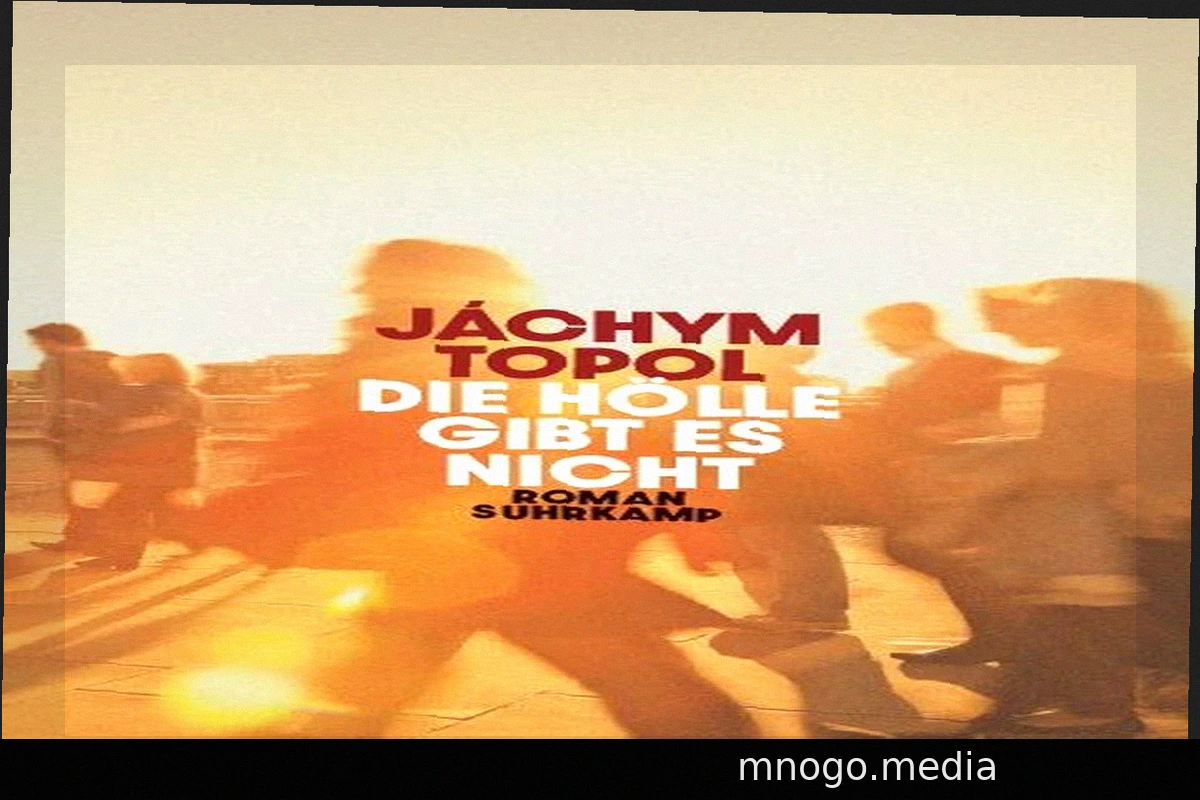
Jáchym Topol's Novel: Lies of Life and Fears of War
A night in Prague. Tomáš, a journalist and author in his sixties, wanders through Malá Strana below the castle. He carries the weight of personal tragedies, their impact softened only by the alcohol he regularly consumes. Seeking another drink, he enters the pub “The Duke of Burgundy,” where t
"Everything is difficult: washing hands, getting dressed, eating breakfast"
Moderator Annika Lau describes the challenges her son faces due to ADHD. Simple daily tasks like washing hands, dressing, and eating breakfast become difficult. Lau shares how the condition shapes their family's routine and a surprising method she uses: gargling with water. Original Context
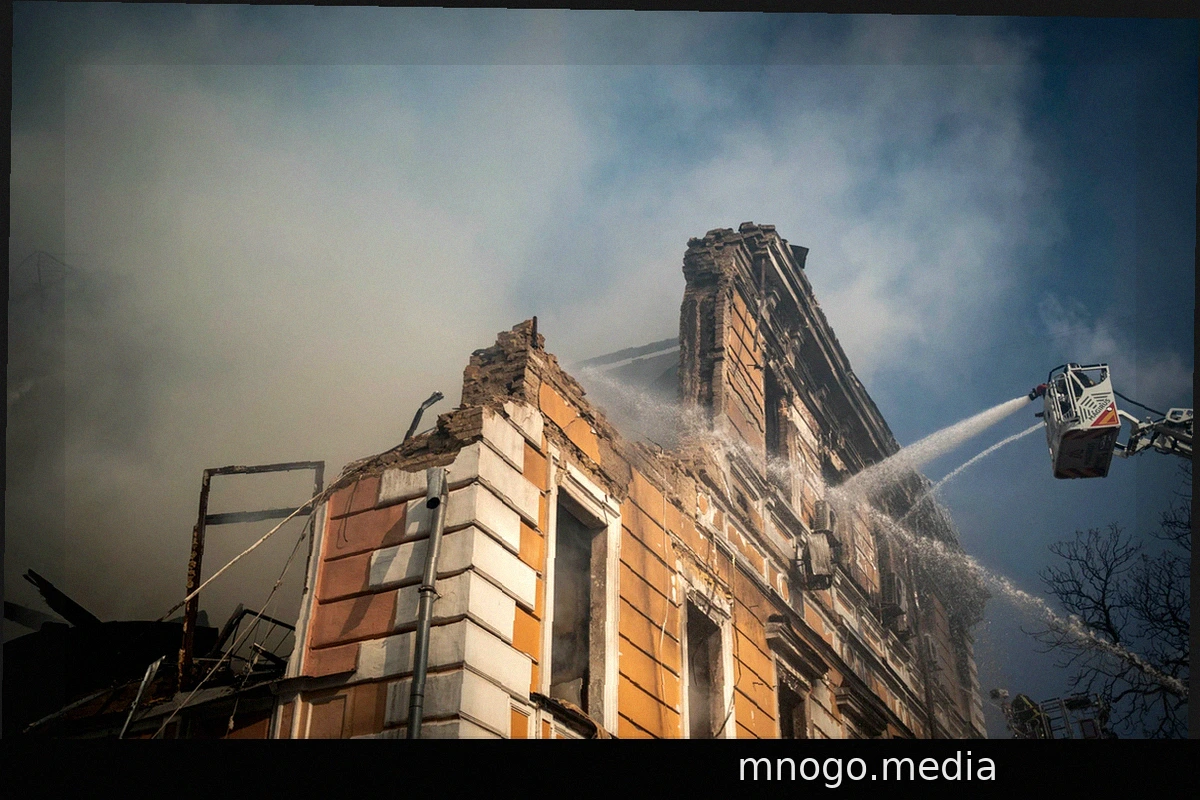
Merz's Kyiv Visit: Amidst Rubble, Merz Issues Demand to Putin
Original Title: Merz-Besuch in Kiew: Vor der Trümmerkulisse richtet Merz eine Forderung an Putin Original Teaser: Russia escalates attacks on the Ukrainian capital even during Chancellor Friedrich Merz's visit. He states: "We will persevere, and I personally will persevere." Content:
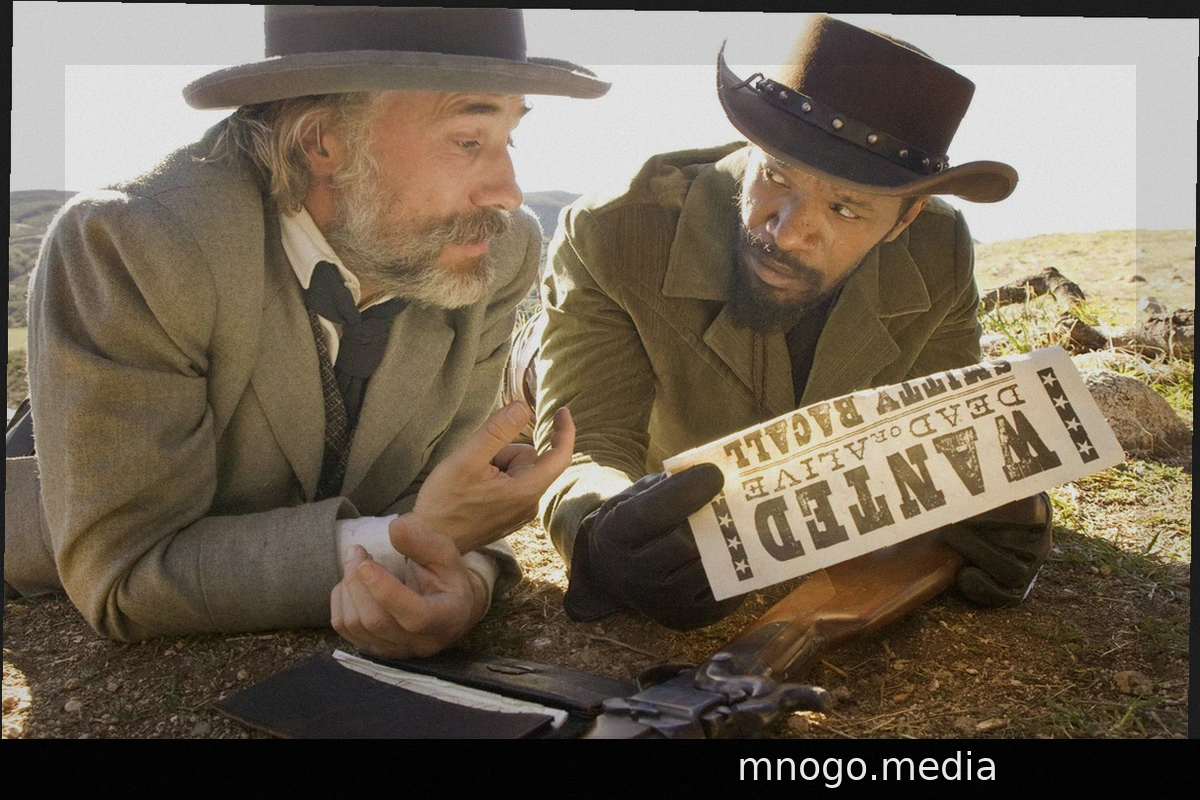
Christoph Waltz: Breakthrough After Fifty – A Global Star Today
Christoph Waltz is a global star and a two-time Oscar winner. His unpredictable presence imbues even supporting characters with immense power. He is now turning seventy. You might find yourself seated next to Christoph Waltz at a Los Angeles garden party, where he casually pours more red
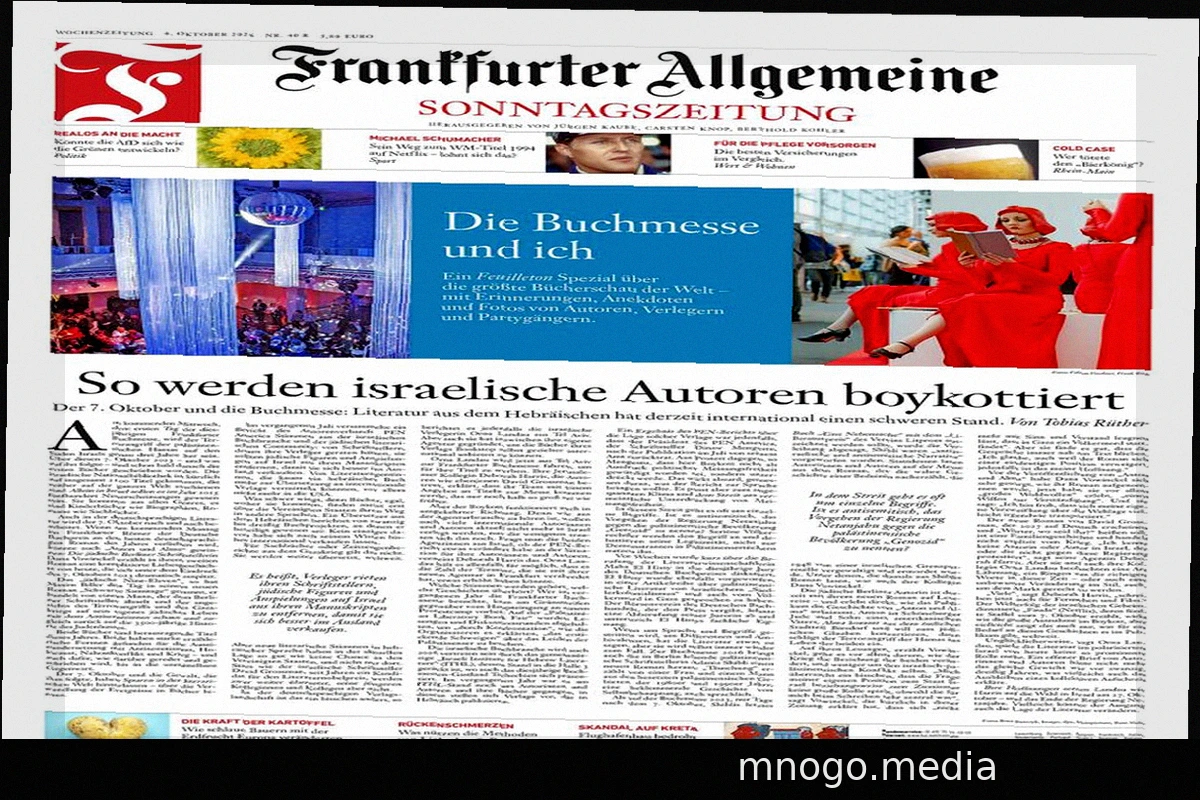
Israeli Authors Facing Boycotts at 2026 Book Fair
Three years after the Hamas attack on Israel, literature from Hebrew-speaking authors is finding it difficult to gain international traction. The Frankfurt Book Fair in 2026 falls close to the anniversary of the October 7th events, a period marked by significant literary output concerning the c
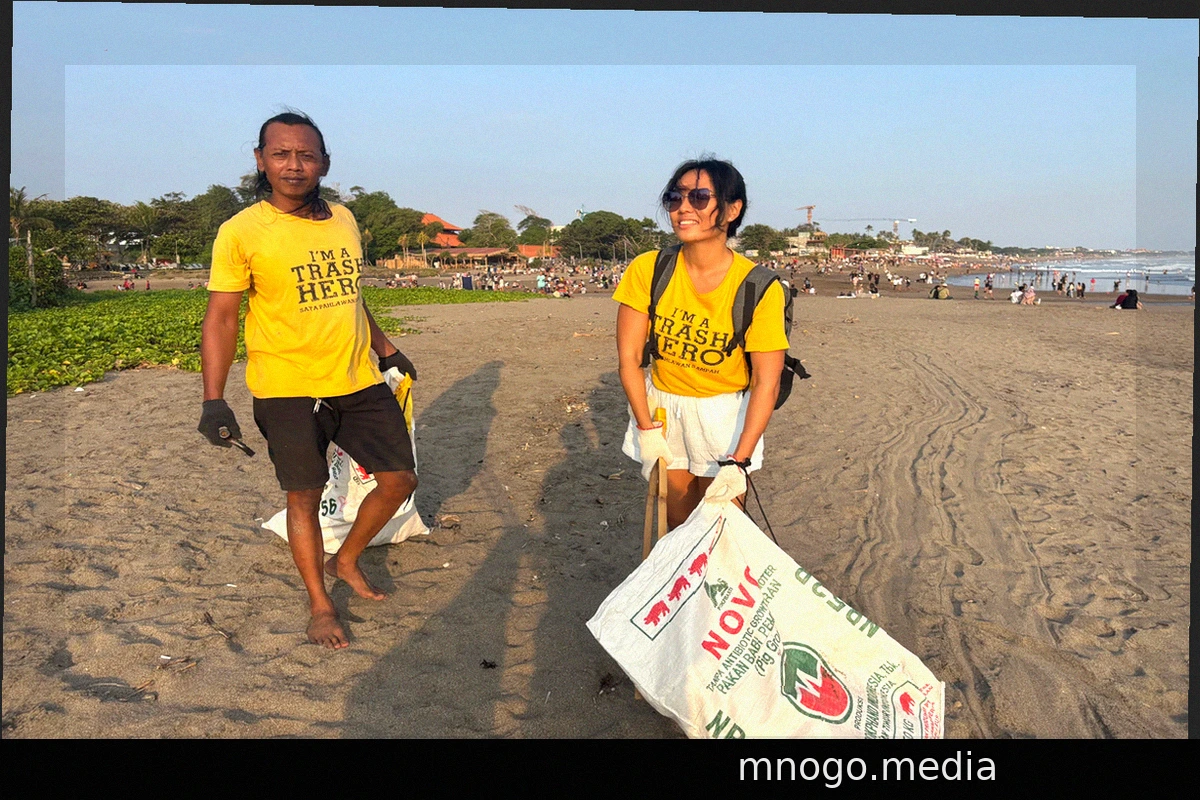
Overtourism: Construction Sites Replace Bali's Lush Green Rice Terraces
Waste, traffic jams, and endless construction: the "Island of the Gods" is grappling with the consequences of mass tourism. Opposition is mounting. At Canggu beach, a small crowd has gathered near a temple building, not for prayer, but with white and yellow bags