ARFID Eating Disorder: Children Aren't Just Picky, They Have a Disorder
Avoidant/Restrictive Food Intake Disorder (ARFID) is often mistaken for picky eating, but it's a recognized eating disorder. Children with ARFID don't simply dislike certain foods; their relationship with food is significantly impaired.
This condition goes beyond typical childhood fussiness. Children suffering from ARFID may avoid entire food groups, exhibit extreme pickiness, or show little interest in eating altogether. Their avoidance can stem from sensory sensitivities to food textures, colors, or smells, a fear of choking or vomiting, or a lack of appetite. This can lead to significant nutritional deficiencies, developmental delays, and social difficulties.
Distinguishing ARFID from simple picky eating is crucial for proper diagnosis and treatment. Unlike anorexia or bulimia, ARFID is not driven by a desire for weight loss or body shape concerns. The focus remains on the severe restriction of food intake and its impact on health and well-being.
Recognizing ARFID requires understanding that these children are not being difficult by choice. They are experiencing a genuine disorder that affects their ability to eat safely and adequately. Professional intervention is often necessary to help these children overcome their challenges and develop a healthier relationship with food.
ARFID Eating Disorder: "Children Aren't Just Picky. They Have an Eating Disorder"
Avoidant/Restrictive Food Intake Disorder (ARFID) is often mistaken for picky eating, but it is a recognized eating disorder. Children with ARFID do not simply dislike certain foods; their relationship with food is significantly impaired.
This condition goes beyond typical childhood fussiness. Children with ARFID might avoid entire food groups, display extreme pickiness, or show little interest in eating. Their avoidance can stem from sensory sensitivities to food textures, colors, or smells, a fear of choking or vomiting, or a lack of appetite. This can lead to significant nutritional deficiencies, developmental delays, and social difficulties.
It is crucial to distinguish ARFID from simple picky eating for proper diagnosis and treatment. Unlike anorexia or bulimia, ARFID is not driven by a desire for weight loss or concerns about body shape. The focus remains on the severe restriction of food intake and its impact on health and well-being.
Recognizing ARFID requires understanding that these children are not being difficult by choice. They are experiencing a genuine disorder that affects their ability to eat safely and adequately. Professional intervention is often necessary to help these children overcome their challenges and develop a healthier relationship with food.
Fresh materials — World News

Berlin Remembers October 7th Terror Against Israel: Candlelight, Silence, and Discord
Cantor Arie Zaloshinsky opened a commemoration at the Chabad synagogue in Berlin-Wilmersdorf with the Hebrew song 'Ani MaAmin,' meaning 'I Believe.' This song, a symbol of the struggle for survival, was also sung by Jews transported to Auschwitz during the Nazi era. Zaloshinsk

FBI Prevents Suspected Terror Attack at Minnesota Mall
The FBI has stopped a planned terrorist attack on the Mall of America in Minnesota. An 18-year-old is accused of preparing to assault shoppers at the mall. Following months of investigation, he was apprehended after buying a rifle and ammunition from an undercover FBI agent. Authorities had

West Bank: Israeli Settlers Kill Palestinian During Olive Harvest
A Palestinian man died on Wednesday in an attack by Israeli settlers as Palestinians were harvesting olives near the village of Burqa in the Israeli-occupied West Bank, according to the Palestinian Ministry of Health. This fatal attack is one in a series of Israeli aggressions
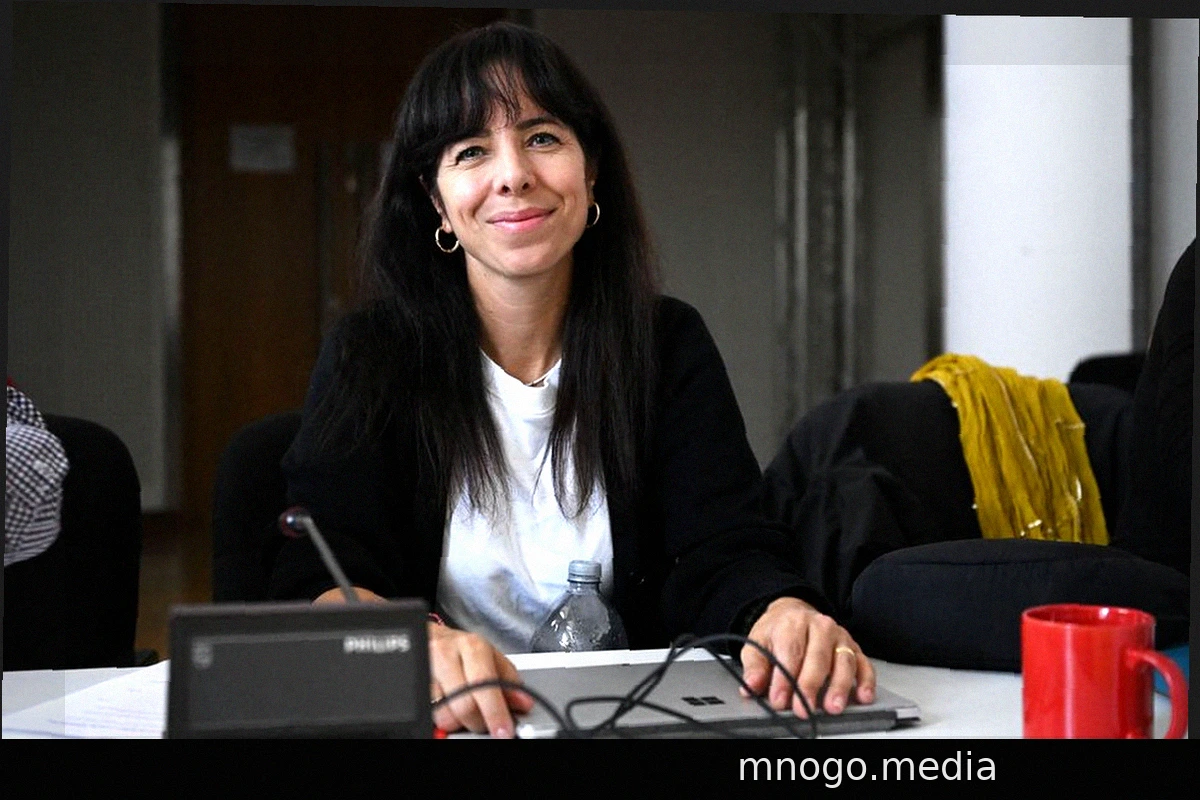
Berlin Politicians Warn Against Red-Green-Red Coalition
Following the election for the Berlin House of Representatives, dozens of figures from politics and civil society have signed a "Berlin Appeal for Responsibility." They caution against forming a coalition that includes the Left Party. The appeal's approximately 80 initial signatories

CDU Politician Advocates for Higher Inheritance Tax
Stefan Nacke, head of the labor group within the CDU/CSU parliamentary group, has drafted a proposal for inheritance tax reform. Titled "Achievement Should Matter More Than Origin," the document, reported by Süddeutsche Zeitung, contends that very large inheritances and gifts are o
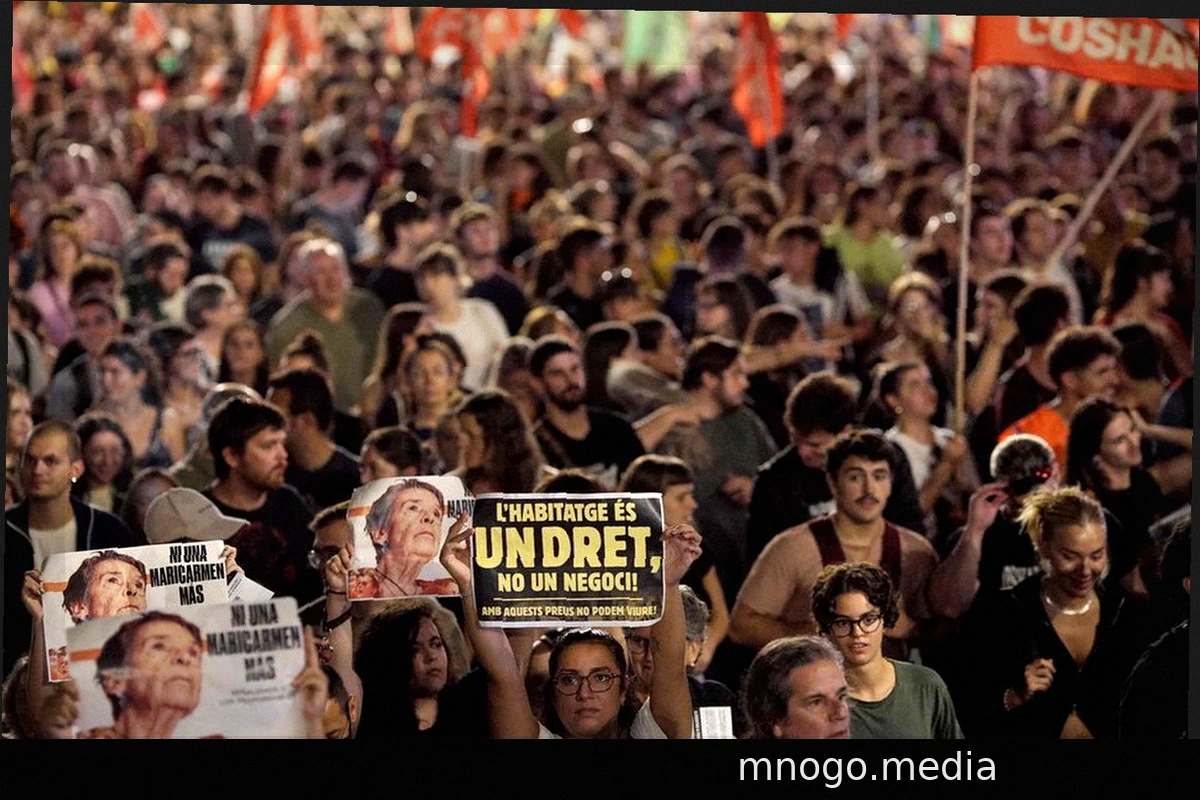
Spain's Housing Crisis: Unions Call for General Strike
Spain's major union confederations, CCOO and UGT, have announced a general strike due to the housing crisis. The one-day work stoppage is set to occur before the parliamentary elections scheduled for November 29th. The unions will announce a specific date later. On the plat