Putin's Law Strips Russian Exiles of Citizenship Rights
A new law, formally titled "On temporary restrictive measures against individuals located outside the Russian Federation who evade the execution of a sentence," significantly impacts Russians living abroad who have faced legal repercussions in their home country. Jurist Evgeni Smirnov, himself an exile, explains that the law essentially aims to revoke citizenship rights, allowing individuals to keep their passports but forbidding them from exercising their civic entitlements.
Extensive "Offense Catalog"
Signed by President Vladimir Putin, this legislation targets Russian citizens residing abroad who have either been convicted of a crime or held accountable for administrative offenses in Russia. This includes charges such as "discrediting the Russian army" – essentially public criticism of Russia's war in Ukraine – failure to pay fines as a "foreign agent" (a category now encompassing over 1,000 individuals and organizations, mostly critical of the government), collaboration with "undesirable organizations" (nearly 400 such groups are currently designated), and public calls to violate Russia's territorial integrity.
Individuals affected by this law will face a range of "temporary restrictive measures." These include denial of state services within Russia and consular services abroad, such as obtaining a passport or power of attorney. Furthermore, a ban on selling real estate and vehicles will be imposed, and bank accounts will be frozen.
"Poisoned Praise" for the Opposition
Before being signed by Putin, the law was unanimously approved by the State Duma. Chairman Vyacheslav Volodin commented, "Those who have gone abroad and are harming their own country are not the opposition, but traitors. They are criminals." He added, "These extremists have been doing everything for years to destroy our state, they justify Nazism, insult our soldiers and officers, and at the same time hide from punishment in other countries." Volodin highlighted the approval from opposition factions, stating, "This is what I call a responsible opposition!"
Human rights activists from the Russian non-governmental organization "Perwy Otdel" (First Department), operating in exile, criticize the new law for effectively stripping politically active Russian migrants, who face sanctions in their homeland, of their fundamental civil rights. They describe the law as a "law of civil death" for emigrant Russians who have been convicted or fined in absentia on politically motivated charges.
The Ministry of Justice, the same institution that compiles lists of "foreign agents," will determine who is affected by the law. Lawyer Evgeni Smirnov concludes, "This primarily targets journalists, activists, politicians, and human rights defenders – all those who are already being persecuted." Jurist Anastasia Burakova from the NGO "Kovcheg," which aids Russians who have fled abroad, calls the law "a truly terrible document that deprives a huge number of people of their civil rights and instills fear in many who live abroad." The objective is clear: to intimidate individuals who cannot be physically reached by authorities and to silence those who oppose Russia's war in Ukraine.
This new "traitor" law is another piece in a series of measures designed to silence critical voices in Russia, particularly since February 2022. Shortly after the start of the Ukraine war, the Duma passed laws against alleged "false information" about the army and its alleged "discrediting," with penalties including years of imprisonment.
Simultaneously, the use of the term "war" or "invasion" in the media was banned. Instead, Russia officially continues to refer to the conflict as a military special operation. Many independent media outlets ceased operations or fled into exile.
An estimated hundreds of thousands of Russians are believed to have left the country in the last four years. The new "law of civil death" now targets these individuals.
Fresh materials — World News
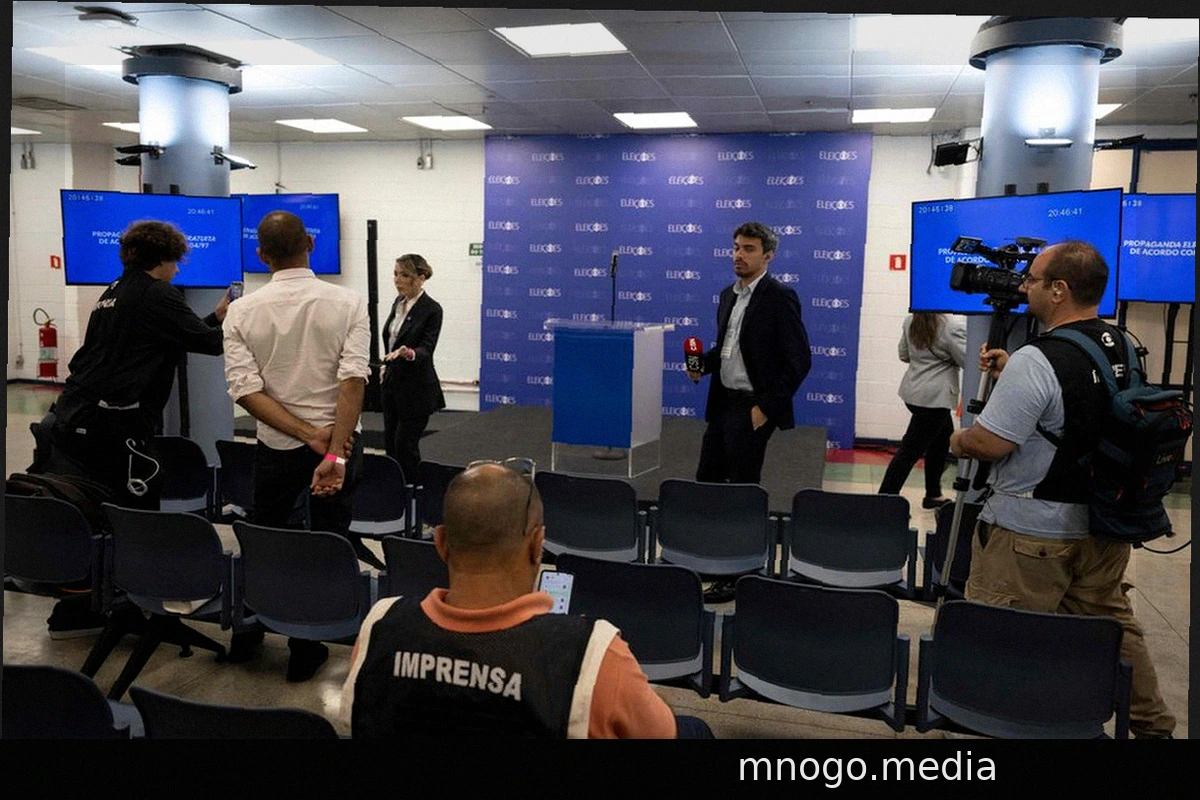
Brazil: Judicial intervention in TV debate sparks controversy before Lula-Bolsonaro election
Two days before Brazil's presidential election, the judiciary faces criticism for intervening in the final TV debate planned before the vote. Three Brazilian media associations on Friday voiced their "deep indignation over judicial interference in previously established rules." Globo, the broad

Germany Secures First Nations League Victory Under Jürgen Klopp
Germany has recorded its first victory in the Nations League with Jürgen Klopp at the helm. Original German: Nations League: Deutschland feiert ersten Sieg unter Jürgen Klopp English Translation: Nations League: Germany celebrates first victory under Jürgen Klopp

Donald Trump Acknowledges Image Problem Ahead of Midterms
About a month before key legislative elections, US President Donald Trump has indicated he's aware of his long-standing low approval ratings. Speaking to employees of a truck manufacturer in Denton, Texas, he praised his own policies as usual. He then stated that the only thing

Crew-13 Launches to ISS: Two Americans, a Canadian, and a Russian Head to Space
Two American astronauts, a Canadian, and a Russian cosmonaut have departed for the International Space Station (ISS). The Crew-13 mission launched from Cape Canaveral, Florida, aboard a SpaceX Falcon 9 rocket. NASA expects the crew to reach the ISS eight hours after liftoff, potentiall

DFB-Team: Pavlović and Bischof Shine in Klopp's Squad
The German national football team's recent performance spotlighted the impactful presence of Pavlović and Bischof within the squad, shaped by coach Klopp's strategies. Their contributions were central to the team's dynamics. In the team's latest outing, midfielder Pavlović demonstrated si
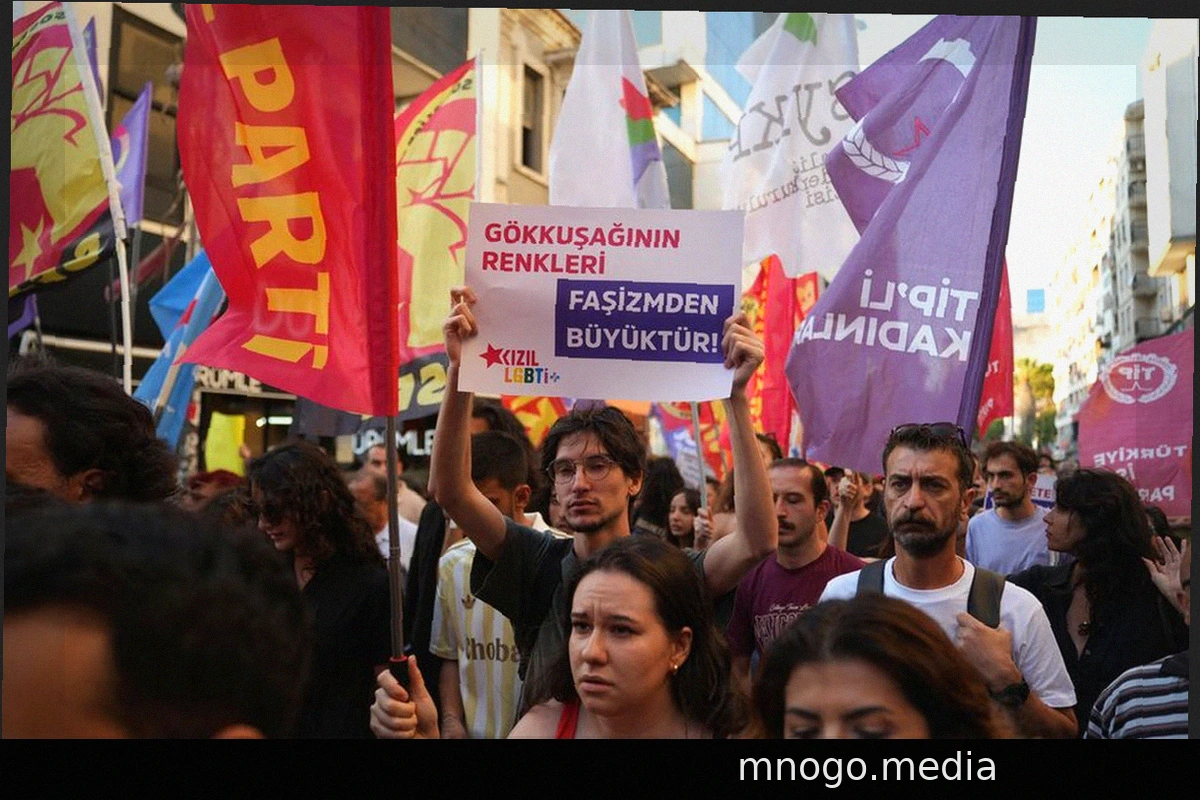
Turkey Shuts Down Independent Online News Outlet Over Alleged "LGBTQ+ Propaganda"
The Turkish government has ordered the closure of the independent online news outlet "T24". The Ministry of Justice announced the decision, stating the news portal engaged in "LGBTQ+ propaganda" as part of the "My Family is Safe" operation, a crackdown on LGBTQ+ l